
Best Capacitors for Speaker Crossovers: Top Audio Caps for Clarity
The right capacitors help optimize a speaker crossover by delivering clean high-frequency filtering and stable mid/bass responses. This guide highlights five audio-grade capacitors suited for crossovers, including MKP polypropylene and non-polarized electrolytic options. It explains who benefits most from each part and why one might choose one over another. Ideal buyers include DIY enthusiasts, car-audio installers, and audio hobbyists seeking reliable signal integrity in crossovers.
| Product | Capacitance | Voltage | ||
|---|---|---|---|---|
| MECCANIXITY 4Pcs 4.7uF MKP | 4.7uF | 250V | MKP Film | Mid/high-end car and home audio crossovers |
| Cermant 15uF (2 Pcs) 100V | 15uF | 100V | Electrolytic, Non-Polarized | Low-mid frequency emphasis, car speakers |
| Cermant 3.3uF (2 Pcs) 100V | 3.3uF | 100V | Electrolytic, Non-Polarized | Compact crossovers, compact enclosures |
| Cermant 2.2uF 250V | 2.2uF | 250V | Polypropylene Film | High-frequency filtering and transparency |
| PATIKIL 2.2uF 250V (5 Pcs) | 2.2uF | 250V | MKP Film | Budget-friendly, multi-point replacements |
MECCANIXITY 4Pcs 4.7uF MKP Film Capacitor
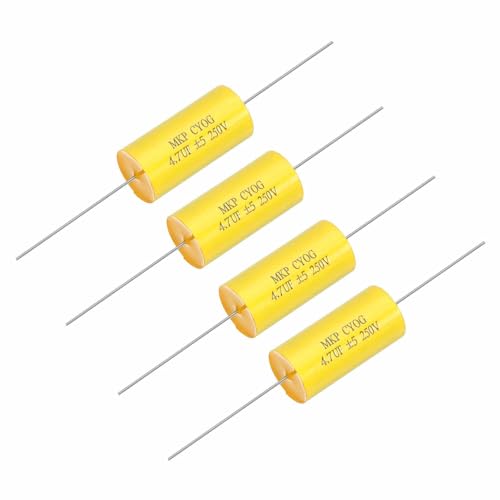
Capacitance: 4.7uF; Voltage: 250V; Type: MKP polypropylene film. This precision audio-grade capacitor is designed for high-frequency signal filtering in crossover networks. Features axial leads and a durable yellow case to minimize signal loss and distortion in audio amplifiers, crossovers, and speaker systems. Best for car speakers and compact audio setups where space is a constraint.
Best for: DIY crossovers in car and home audio where stable 4.7uF filtering is needed. Also suitable for small signal paths in DIY electronics projects requiring reliable temperature and voltage handling. Caution: axial lead spacing and mounting orientation should align with the enclosure design to avoid clearance issues.
Cermant 15uF 100V Non-Polarized Electrolytic (2 Pcs)
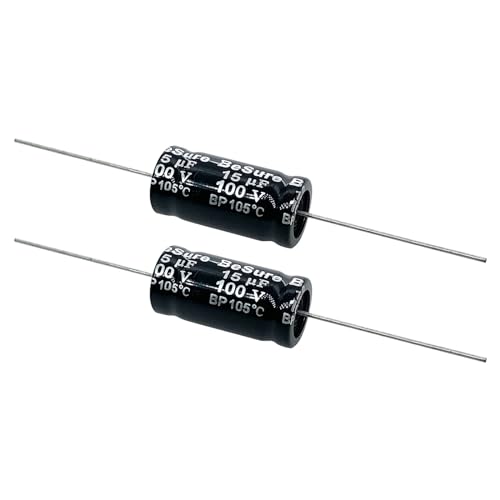
Capacitance: 15uF; Voltage: 100V; Type: Electrolytic, Non-Polarized. Noted for clear high frequencies and strong mid-to-low penetration, these capacitors are a popular choice for car speaker crossovers. Best for: larger crossovers where a higher capacitance is required without polar orientation concerns. Limitation: voltage rating is lower than some MKP options, so ensure compatibility with the amplifier supply.
Cermant 3.3uF 100V Non-Polarized Electrolytic

Capacitance: 3.3uF; Voltage: 100V; Type: Electrolytic, Non-Polarized. This capacitor provides balanced high-frequency response with solid mids and powerful lows in car audio crossovers. Best for: compact crossovers where space is at a premium and non-polarized operation is desired. Caution: 100V rating may limit use in high-voltage amplifier stages.
Cermant 2.2uF 250V Polypropylene Film

Capacitance: 2.2uF; Voltage: 250V; Type: Metallized Polypropylene Film. Known for clear, sharp highs and strong mid/low frequencies in crossovers, this capacitor is favored for car speakers and high-heat environments. Best for: high-voltage car audio crossovers with tight high-frequency filtering. Limitation: smaller capacitance may require pairing with other components to shape the full range.
PATIKIL 2.2uF 250V 5 Pcs MKP Film Capacitors

Capacitance: 2.2uF; Voltage: 250V; Type: MKP Film. This yellow, axial MKP capacitor set is designed for frequency division in audio crossovers with low high-frequency loss and good heat resistance. Best for: replace-and-go kits in DIY crossovers or multiple-channel projects. Caution: ensure consistent tolerance across all pieces (±5%).
Buying Guide: Key Considerations For Speaker Crossover Capacitors
- Capacitor Type: MKP polypropylene film capacitors offer low loss and stable performance for high-frequency filtering. Electrolytic capacitors provide high capacitance in a compact package but may introduce polarity concerns unless non-polarized versions are listed.
- Capacitance Value: Choose values that align with your crossover design. Higher values affect low-frequency performance; lower values influence highs. Match with the speaker driver and enclosure size.
- Voltage Rating: Select a voltage rating above the maximum signal level in your system. Underrated parts can distort or fail under high transients.
- Tolerance: Tolerances (for example ±5%) influence the actual capacitance. In crossover design, tolerance stacking can affect crossover points and overall sound balance.
- Package and Mounting: Consider axial leads vs. radial, size, and mounting orientation. Axial variants are common in tight spaces, while radial types may simplify PCB or board mounting.
- Durability and Temperature: Crossovers in cars or hot environments benefit from components rated for wide temperature ranges and robust construction to maintain performance over time.
- Application Fit: For high-frequency tweeters, aim for capacitors with low equivalent series resistance (ESR) and good self-healing properties; for woofers, broader filtering with higher capacitance might be needed.
FAQ
- What is a crossover capacitor and why does it matter?
A crossover capacitor helps separate audio frequencies to each speaker driver. Its characteristics influence clarity, imaging, and frequency balance in the system.
- Should I use polar or non-polar capacitors in crossovers?
Non-polar capacitors are typically safer for signal paths in crossovers because they handle bidirectional signals without orientation concerns. Some electrolytics are offered in non-polarized forms.
- What capacitance value should I choose for a tweeter?
Tweeters typically use smaller capacitance values (often in the 2–6uF range) to allow high frequencies to pass while protecting the driver from low-frequency content.
- Is a higher voltage rating always better for crossovers?
A higher voltage rating provides headroom and durability, especially in high-power systems. Ensure compatibility with the amplifier’s peak voltage.
- How do I know if a capacitor is suitable for car audio?
Car audio requires components with stable performance under temperature variations and vibration. Look for automotive-grade ratings and robust casings in the capacitor data.