
Best Carbon Fiber Electric Cello: Top Picks for Performance and Portability
Answering buyers seeking carbon fiber electric cellos, this guide highlights five strong options that blend modern materials with reliable playability. Ideal for gigging musicians, students, and travel-heavy players, these selections emphasize durability, resonance, and easy amplification. Below, you’ll find a quick product snapshot, followed by detailed sections to help you compare features, benefits, and potential trade-offs.
| Product | Best For | Key Benefit |
|---|---|---|
| Aliyes Handmade Professional Solid Wood Electric Cello (4/4) | Professional players seeking a refined electric cello with a carbon-fiber-ready shell | German Shadow pickup, low-noise circuit, advanced tuning and outputs |
| JITAZHIJIA Cello Kit (Carbon Fiber Shell) | DIY-equipped players needing integrated carbon fiber shell and DV-9 pickup | Pigment-wood integration and active pickup with tuners |
| Vetimobato 4/4 Carbon Fiber Cello Case (Black) | Travelers who need ultralight, protective flight-ready case | Carbon fiber exterior, suspension padding, soft velvet interior |
| Vetimobato Carbon Fiber Cello Case (Dark Green) | Professional cellists and educators who transport gear regularly | Built-in protection features and portability options |
| Fiddlerman Carbon Fiber Cello Bow (3/4) | Cellists seeking durable, well-balanced carbon fiber bow | Hand-made design, Siberian horsehair, copper-mounted ebony frog |
Aliyes Handmade Professional Solid Wood Electric Cello 4/4

The Aliyes model targets serious players who want a professional-grade electric cello with a high-quality pickup system. It uses a German Shadow pickup and a deep, wood-based body combined with carbon-fiber-like design cues for durability. This option is best for seasoned performers who need reliable amplification and minimal interference in live settings. The featured noise-suppressing circuit aims to reduce unwanted electronic hiss while preserving tone. A key limitation is that the wood-based body may alter resonance differently than pure carbon fiber, depending on humidity and temperature. Choose this if you value a traditional feel with modern electronics and a refined look.
JITAZHIJIA Cello Kit With Carbon Fiber Shell

This kit emphasizes a carbon-fiber shell with a solid spruce body and ebony detailing, offering a complete package for players who want a cohesive, customizable setup. The DV-9 active pickup provides volume and tone control along with line output, mic, and phone connections, making it a strong all-in-one choice for rehearsal spaces or smaller venues. Best for players who want a visually striking instrument with a practical, integrated pickup system. A potential drawback is that assembly and fitment may require careful setup by the player or a technician.
Vetimobato 4/4 Carbon Fiber Cello Case (Black)

This hard-shell case is designed for 4/4 cellos, focusing on lightweight durability and superior protection during transport. Its carbon fiber exterior and suspension padding help guard against bumps and temperature changes, making it a solid choice for students, conservatory players, or touring professionals who prioritize safe travel. Best for frequent travel; avoid if you need a soft-sided option for dynamic climates or oversized gear.
Vetimobato Carbon Fiber Cello Case (Dark Green)

This model mirrors the black variant with a distinct dark green color for players who want a unique look without compromising protection. It offers the same sturdy carbon fiber shell and suspension-based interior to minimize vibrations during transport. Best for professionals who travel frequently and want a reliable, durable case with a different aesthetic. A limitation is that color choice may affect visibility in storage spaces where color coding matters.
Fiddlerman Carbon Fiber Cello Bow (3/4)

This 3/4 size carbon fiber bow from Fiddlerman emphasizes resilience and smooth action, crafted with a quality Siberian horsehair wrap and a copper-mounted ebony frog. It’s best for players who want a durable bow that resists humidity and temperature shifts while maintaining strong resonance transfer. Better for frequent travel or humid environments; consider a lighter bow if you prefer a slightly more flexible balance for long performances.
Fiddlerman Carbon Fiber Cello Bow (1/4)
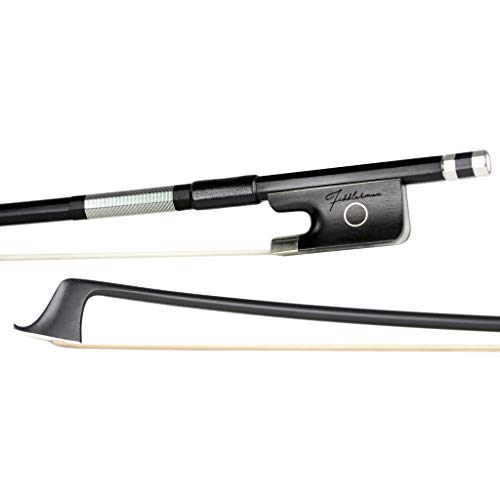
The 1/4 size bow is designed for younger players or those with smaller frames. Its carbon fiber construction provides consistent performance and resilience even with frequent practice. Best for students starting out who need a dependable, affordable bow that grows with them.
Buying Guide
- Material and tone: Carbon fiber-focused gear tends to be lightweight and durable. Expect less warping with humidity, but note that tone can still vary based on body construction and electronics.
- Pickup and amplification: Look for a built-in or detachable pickup with tone controls and multiple outputs if you perform live or record often.
- Protection during transport: For frequent travelers, a carbon fiber case with suspension padding offers strong impact resistance and temperature stability.
- Size compatibility: Ensure the instrument size matches your playing style; 4/4 is standard for full orchestral cellos, while 1/4 and 3/4 fit younger players or smaller performers.
- Maintenance needs: Carbon fiber components generally resist moisture better than wood; however, regular care for the fittings and neck is still important.
- Budget and value: Consider whether you want an all-in-one kit (like JITAZHIJIA) or focused gear (like a carbon fiber bow or case) to match your use case.
FAQ
- What is the main advantage of a carbon fiber cello case?
- Are carbon fiber cellos louder or more resonant than wooden ones?
- Do carbon fiber bows perform differently than traditional wood bows?
- Is attachment of pickups necessary for electric cellos?
- What should beginners consider when choosing a carbon fiber bow?
Carbon fiber cases are lightweight, strong, and resistant to temperature changes, offering excellent protection during travel.
Carbon fiber components can improve durability and reduce warping, but resonance depends on overall instrument construction, wood use, and pickup placement.
Carbon fiber bows are typically more durable and stable under humidity changes, with consistent balance, though personal feel may vary.
It depends on your use case. If you need amplification for live performances or recording, a pickup is essential; otherwise, it’s optional for practice only.
For beginners, weight and balance matter most. A well-balanced bow with comfortable frog and horsehair quality can ease learning and improve tone.