
Best Microphone With Built in Preamp for Clear, Clean Sound
If you need studio-grade gain without extra gear, a microphone with a built-in preamp can simplify your setup and improve noise handling. This guide highlights five top options, each chosen for different use cases—from podcasting and streaming to home recording and live streaming. The top picks are best for creators who want stronger, cleaner signal with minimal clutter in their audio chain.
| Product | Best For | Why It Stands Out |
|---|---|---|
| Shure SM7dB Dynamic Vocal Mic with Preamp for Streaming – Black | Podcasters and streamers seeking classic Shure tone | Built-in preamp with selectable +18 dB or +28 dB, same warm vocal character as SM7B |
| Microphone Preamp, Microphone Preamplifier Mic Preamp for Vocal | Budget setups needing clean gain | 20 dB gain with 48V power, low noise, compatible with dynamic and condenser mics |
| Shure SM7dB Dynamic Vocal Microphone w Built-in Preamp | Value-conscious creators who want premium preamp tone | Same sound signature as SM7B with onboard preamp and dual gain options |
| Movo UM6 Dynamic Podcast Microphone with Built-in GainCast Preamp | Streamers and podcasters needing USB-C and XLR options | GainCast preamp up to 25 dB, versatile outputs |
| RO-04 Mic Preamp, 0~72 db Adjustable Gain | Home studios needing very wide gain range | Ultra-low noise and wide gain, dual outputs for different recording setups |
The following sections review each option with a concise, buyer-friendly summary. Use these details to compare which model fits your workflow, interface compatibility, and budget.
Shure SM7dB Dynamic Vocal Mic With Built-In Preamp

The SM7dB combines the familiar warm, natural vocal character of Shure’s flagship SM7B with an integrated preamp, eliminating the need for extra gain boosters. Best for podcasters and streamers who want a simple, streamlined chain: mic, cable, and interface. The built-in preamp supports selectable +18 dB or +28 dB of clean onboard gain, helping you drive most interfaces with confidence. A precision cardioid pickup pattern and air suspension isolation reduce background noise and room reflections for cleaner voice delivery. Caution: high-output sources might require bypassing the preamp to preserve the original SM7B output level.
Why it’s chosen: It delivers Shure’s renowned vocal warmth directly, reduces gear clutter, and simplifies setup for solo creators and small studios.
FOSA Microphone Preamp For Vocal and Instrument

This unit provides high-gain, low-noise preamplification suitable for both dynamic and condenser mics. It includes 48V phantom power and a clean, balanced circuit that minimizes coloration in your signal. Best for small setups that need a portable, affordable preamp without committing to a full audio interface upgrade. Limitation: performance depends on interfacing gear compatibility and phantom power requirements.
Why it’s chosen: A strong entry-level option to boost quiet mics and achieve a cleaner gain stage without extra complex gear.
Shure SM7dB Dynamic Vocal Microphone With Built-In Preamp
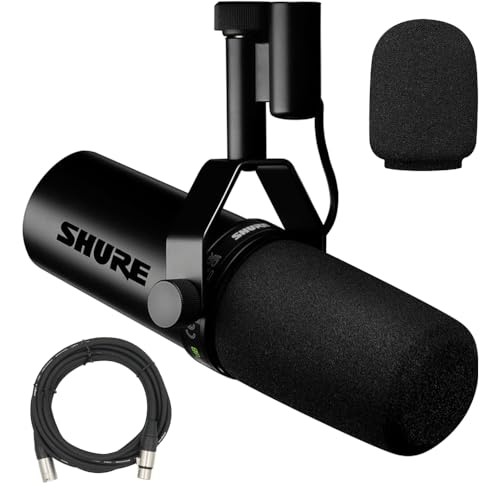
This variant emphasizes the same core features: a warm vocal tone, onboard +18/ +28 dB gain options, and a preamp that preserves the mic’s frequency response for clean, classic sound. Best for creators who want the premium SM7D family benefits with the practical advantage of a built-in preamp. Best for: streaming, podcasting, and studio voice work where clean, consistent gain is essential. Limitation: may be overkill for extremely loud sources that exceed its gain range.
Movo UM6 Dynamic Podcast Microphone With Built-In GainCast Preamp

The UM6 blends a dynamic mic with a GainCast preamp, offering up to 25 dB of clean onboard boost. It also provides USB-C and XLR outputs to accommodate flexible recording setups. Best for streamers and podcasters who want a ready-to-record solution without extra external preamps. Caution: USB-C and XLR modes require configuration to match input levels with your recording software.
RO-04 Mic Preamp, 0~72dB Adjustable Gain

RO-04 offers an exceptionally wide gain range (0–72 dB) with ultra-low noise (-120 dBV EIN) and multiple outputs designed for varied recording environments. Best for home studios and multi-mic setups needing precise control over dynamics, coating the signal path with a strong, low-noise boost. Limitation: two inputs cannot be used simultaneously, so it’s best for single-mic scenarios or dedicated instrument use at a time.
Buying Guide: Key Considerations For Your Preamp-Integrated Mic
Choosing the right mic with a built-in preamp depends on your workflow, interface, and environment. Consider the following:
- Gain needs: Do you record quiet voices or loud sources? Look for a preamp with adjustable gain in usable ranges and low noise.
- Interface compatibility: Some units offer USB-C alongside XLR, simplifying connection to computers and mixers.
- Sound signature: If you prefer a warm, broadcast-ready voice, classic dynamic mics with internal preamps may suit you best.
- Portability vs. permanence: Built-in preamps reduce gear, but some setups benefit from modular external preamps for future upgrades.
- Power and phantom requirements: Verify phantom power compatibility and whether the device outputs are appropriate for your interface.
FAQ
- What makes a built-in preamp different from an external one?
A built-in preamp integrates directly into the mic body, reducing the number of components in the signal chain and potentially minimizing noise and phase issues from long cable runs. - Can I use a mic with a built-in preamp with any audio interface?
Yes, but check that the interface can supply appropriate phantom power if needed and that the gain range matches your mic’s output. - Is a built-in preamp always better than an external one?
Not necessarily. Built-in preamps offer convenience and cleaner cables, but external preamps can provide higher-quality amplification in some professional workflows. - Which option is best for beginners?
A budget-friendly preamp like the FOSA unit or the Movo UM6 with GainCast is a practical starting point for new podcasters and streamers. - Should I bypass the built-in preamp for certain sources?
If your source is very loud or your interface has ample clean gain, bypassing the preamp can preserve the mic’s native response and avoid extra gain noise.