
Best Headless Guitar Tuning System: Options for Travel, Studio, and on-Stage Tuning
The best headless guitar tuning system picks combine stable tuning, lightweight design, and easy upgrades across styles. This guide highlights five top options suited for players seeking compact headless designs or reliable tuners that pair with headless guitars. Each entry notes who it’s best for, why it was selected, and a practical caveat to consider. Suitable for traveling players, studio practitioners, and gigging musicians alike.
Overview of selected products:
| Product | Best For | Why It Stands Out |
|---|---|---|
| Donner HLX-500 Headless Electric Guitar | Travelers and stage players | Compact headless design with locking bridge and precision tuners for stable tuning |
| Classical Guitar Machine Heads Tuning Keys Pegs | Classical guitar upgrades | 3+3 configuration with balanced tension and 1:14 gear ratio |
| Donner HUSH X Headless Electric Guitar Kit | Practice and travel musicians | Lightweight travel-friendly kit with versatile tone options |
| OVSAL Headless Bridge | Upgrades and replacements | Brass/steel block, precise dimensions, good conductivity |
| Fender FCT-2 Clip-On Tuner | General tuning across instruments | Vibration sensing, clear visual feedback, multi-instrument support |
Donner HLX-500 Headless Electric Guitar
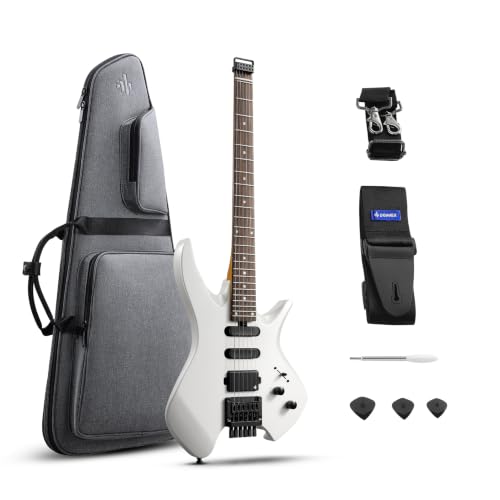
The Donner HLX-500 is best for players who want a complete headless guitar with travel-ready appeal. Its lack of a traditional headstock reduces length and weight, ideal for commuting to rehearsals or outdoor gigs. The locking bridge and precision tuners help maintain tuning stability during movement and performance. The ergonomic body is designed for even weight distribution to minimize neck dive, supporting comfortable long sessions at home, on stage, or in the studio.
Caution: Verify compatibility with your preferred string gauge and setup before purchase, as the headless configuration may vary from standard guitars.
Classical Guitar Machine Heads Tuning Keys Pegs
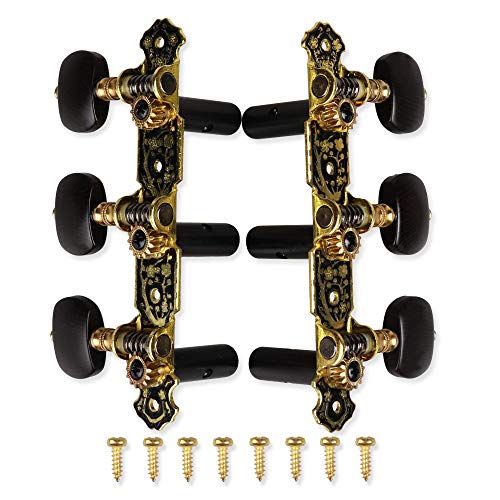
This product is best for classical guitars with a 3+3 configuration. The design features two rows of three pins to balance string tension, which helps tuning stability across string groups. A precise 1:14 gear ratio supports smooth, accurate adjustments for a steady playing experience. Suitable for players upgrading older machines or restoring a classic instrument.
Limitation: Not a direct replacement for most modern electric or headless systems; verify peg hole size and mounting compatibility with your instrument.
Donner HUSH X Headless Electric Guitar Kit

The Donner HUSH X is best for players who travel or practice on the go. It emphasizes a light, compact headless design (about 4.4 pounds) and a tone-control system offering multiple tonal combinations through a 3-way switch with volume and tone, plus an active/passive circuit option. The ergonomics feature a progressively asymmetrical neck to reduce wrist strain, aiding comfort during longer sessions.
Tip: While travel-friendly, ensure your preferred amplification and pickups align with the kit’s electronics for your desired sound.
OVSAL Headless Bridge

The OVSAL headless bridge is best for upgrading or replacing a guitar’s tailpiece and bridge hardware. It delivers robust construction with a black chromium electroplating finish for good electrical conductivity and a solid mechanical fit. Dimensions and spacing are clearly defined, helping players check compatibility before ordering.
Limitation: This component is a part-upgrade option rather than a full instrument; verify that it aligns with your guitar’s body and neck routing before purchasing.
Fender FCT-2 Clip-On Tuner

The Fender FCT-2 is best for versatile tuning across multiple instruments. It senses vibrations directly from the instrument, offering reliable tuning in loud venues or quiet practice rooms. The color LCD needle provides clear visual feedback, helping you quickly reach pitch. Multi-instrument modes (Guitar, Bass, Ukulele, Violin, Chromatic) make it a flexible choice for players who switch between gear.
Limitation: Clip-on tuners can pick up incidental vibrations in crowded stages; place it away from direct contact with loud amplifiers to avoid stray readings.
Buying Guide: Headless Guitar Tuning System Essentials
What defines a headless guitar tuning system?
A headless tuning system replaces the traditional guitar headstock with compact tuners mounted near the bridge or along the neck. This design reduces overall length, improves balance, and often enhances tuning stability during movement or travel.
Key considerations when choosing
- Weight and balance: Lighter, headless designs reduce neck dive and fatigue during long playing sessions.
- Tuning stability: Locking bridges and precision tuners help maintain pitch during travel and performance.
- Compatibility: Check peg sizes, mounting holes, gear ratios, and string spacing to ensure a proper fit with your instrument.
- Electronics and tone: Some headless kits include integrated tone controls; evaluate whether you need active/passive options or simple mechanical tuners.
- Upgrade path: If starting from a traditional guitar, consider whether you need a full guitar kit, a bridge replacement, or clip-on tuners for flexibility.
Best use scenarios
- Travel and outdoor use: Favor lightweight, compact headless guitars with locking tuners and durable bridges.
- Studio and home practice: Invest in stable tuners and accurate reference tuners for precise intonation and quick setup.
- Live performance: Choose tuning systems with quick, reliable tuning under variable stage conditions and easy mounting or integration with existing gear.
Installation notes and practical tips
- Measure exact peg hole size and string spacing before buying tuning machines or bridges.
- When replacing components, keep track of screws and ferrules to ensure proper mounting and alignment.
- Test tuning under live and practice conditions to confirm stability and responsiveness of the system chosen.
FAQ
- What is a headless guitar tuning system best used for?
It is ideal for players seeking reduced weight and improved balance, with stable tuning during travel and dynamic stage performance.
- Do headless tuners affect tone?
Most headless components primarily affect tuning stability and weight; tone is typically influenced by pickups and electronics, not the tuning hardware itself.
- Can I upgrade an existing guitar with headless hardware?
Yes, depending on compatibility. Check neck joint, peg holes, and bridge mounting to ensure a proper fit.
- Are clip-on tuners sufficient for live gigs?
Clip-ons work well for quick pitch checks and practice, but vibration-based tuners can provide more reliable tuning in loud venues.
- What should I consider when choosing gear ratios?
Smaller ratios (like 1:14) offer finer tuning adjustments, whereas larger ratios may allow faster tuning changes but be less precise.
- Is a headless guitar harder to set up than a traditional guitar?
Setup can be straightforward if you follow compatible hardware dimensions and install guides for your specific model.