
Best Solid State Amps for Metal Players: Tight Riffs and Crystal Power
Answering the question of what solid state amps work best for metal gear and practice rooms, this guide highlights five reliable, budget-friendly options. Each pick suits different players—from beginners seeking punchy practice amps to performers needing stage-ready volume with tight, high-gain tones. The list targets players who want fast response, reliable metal-focused tones, and straightforward controls. The buying table below helps you compare at a glance.
| Product | Best For |
|---|---|
| Randall RX Series RX120RH 120W | High-gain metal tones, stage use, headroom |
| Marshall MG30GFX | Built-in FX and versatile channels for metal and rhythm |
| Orange Crush 20RT | 2-channel versatility with solid stage presence |
| Orange Crush 20 | Compact, bright metal-friendly tones for practice |
| Fender Frontman 10G | Budget practice amp with basic metal-ready drive |
Buyer note: Each option focuses on solid-state designs and metal-friendly gain, but power, effects, and footprint vary. Consider room size, whether you need built-in effects, and whether you want a head or a combo to match your gigging or rehearsal needs.
Randall RX120RH 120W Head

The Randall RX120RH is a 120-watt solid-state amp head with two channels, including an overdrive channel with Voicing and Contour control. It’s designed for metal players seeking loud, tight leads and aggressive rhythms in a compact head form. Best for players who want stage-ready power without tube maintenance. Potential limitation: as a head, it requires a cabinet, which adds to the total setup and weight.
Marshall MG30GFX Combo

The Marshall MG30GFX is a 30-watt guitar combo featuring built-in digital effects (chorus, phaser, flanger, delay, octave) and four channels (clean, crunch, OD1, OD2). It’s a versatile choice for metal players who value flexible on-board effects and easy channel switching. Best for players who want a compact, all-in-one solution for practice and small gigs. Caution: some players may prefer more dedicated distortion options beyond the built-in FX for extreme metal tones.
Fender Frontman 10G Combo

The Fender Frontman 10G is a compact 10-watt practice amp with a 6-inch speaker. It offers a simple set of controls (gain, volume, treble, bass) and a drive/overdrive select switch, making it an accessible entry point for metal players practicing at home. Best for beginners or those needing an ultra-portable practice option. Limitation: low wattage may struggle in louder practice spaces or on stage without amplification support.
Orange Crush 20RT 20W

The Orange Crush 20RT is a 20-watt two-channel combo with a VOICE of the World 8″ speaker for clear mids and tight bottom end. It features versatile clean and dirty channels, making it a solid option for metal players who need reliable practice tone and portable setup. Best for players who want robust tone without excessive weight. Caution: space for the amp’s front-facing speaker may limit placement in tight rooms.
Orange Crush 20 Combo

The Orange Crush 20 is a compact two-channel amp with a high-gain preamp and 3-band EQ. It offers aux in and cab-simulated headphone output, making it suitable for practice and small venues. Best for players who prioritize straightforward control and a punchy metal tone without extra effects. Limitation: lacks an extensive built-in FX suite found on larger models.
Fender Frontman 10G Bundle
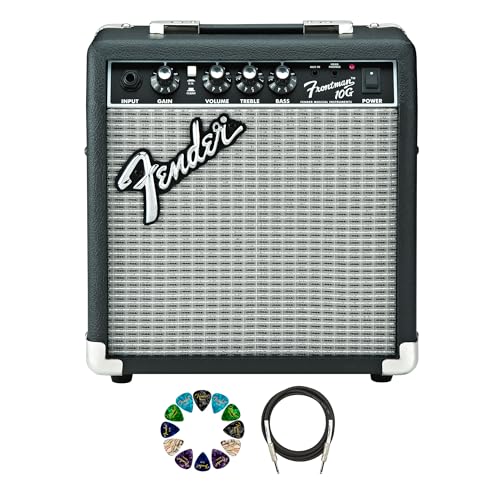
This Fender Frontman 10G bundle includes a 10-watt practice amp plus extra accessories (cable and picks). Best for beginners seeking a complete starter set for metal practice. Caution: bundle value is tied to practice use rather than high-gain performance on stage.
Buying Guide: Key Purchase Considerations
What wattage do I really need for metal practice and small gigs?
Wattage affects headroom and volume. For home practice, 10–20W amps are common and sufficient. For small venues, 20–40W or a dedicated head plus cabinet provides more stage headroom. High-wgain modern metal tones can be achieved with solid-state designs across these ranges, especially when paired with a suitable cabinet or PA support.
Should I choose a head, a combo, or both?
Heads offer flexibility when you already own or plan to use external cabinets; combos are more portable and ready to play. If you travel or play small venues, a compact combo with built-in speakers (like Orange or Marshall options) is practical. For touring or larger rooms, a head-plus-cab setup may be preferable.
How important are built-in effects for metal tones?
Built-in effects can simplify setups, especially for beginners or practice-focused players. However, many metal players prefer dedicated pedals or a high-gain channel with a solid amp voicing. If you rely on external effects, choose amps with a clean channel and a strong drive channel or good DI options for FOH compatibility.
What should I know about speaker configuration?
Most practice amps use 8″ or 6″ speakers. Larger speakers generally deliver deeper bass and more headroom, which can help metal tone under stage conditions. If using a head, ensure the cabinet impedance matches the amp output for proper performance and safety.
Are there any portability considerations?
Weight and size matter for gigging players. Heavier heads require more rigging and transport effort. Combos are ideal for quick setups, while lighter heads and compact cabinets are easier to haul to rehearsals and shows.
FAQ
Q: Which amp is best for aggressive metal tones in a small room?
A: The Randall RX120RH head or the Marshall MG30GFX combo both deliver strong high-gain performance suited for tight, aggressive metal tones in smaller spaces.
Q: Do I need built-in effects to play metal?
A: Not necessarily. Built-in effects help contour tone and practice ease, but many metal players rely on amp voicing and external pedals for the most cutting tones.
Q: Is a head-and-cab setup worth it for beginners?
A: It can be, especially if you expect to upgrade cabinets later or need more stage volume. For strict beginners, a compact combo may be the simpler starting point.
Q: Can I use these solid-state amps for home practice and small gigs?
A: Yes. Several models in this list are designed for practice, rehearsal, and small venues, with enough headroom and tonal options for metal styles.
Q: Which amp is most portable?
A: The Fender Frontman 10G and Orange Crush 20RT/20 combos are among the most portable options, suitable for quick load-ins and light travel.