
Best Sound System Power Supply Solutions for Reliable Audio
Yes—choosing the right power supply ensures stable audio performance and protects your gear. This guide highlights five practical power adapters and replacements that fit common sound systems, from portable speakers to home components. Each option is described for specific buyers: DIY installers, portable setups, home theater enthusiasts, and stage or karaoke setups. The table below summarizes the best fits at a glance.
| Product | Best For | Voltage / Output | Notes |
|---|---|---|---|
| EPtech Sirius XM AC/DC Adapter | Home users with Sirius XM docks or portable speakers | 100-240VAC input; 12V output | Global voltage compatibility |
| Metasources Bose SoundDock Power Adapter | Classic Bose SoundDock users | 20V DC output | Replaces lost cords |
| RCBCH SRS-XG500 / Bose compatibility Adapter | Modern party speakers and TV sound systems | Less than 20V, up to several A | Wide compatibility; check device fitting |
| Omilik 9V AC Adapter | PylePro / karaoke and PA speakers | 9V DC/AC input; 9V DC output | UL/CE/ROHS certified |
| HQRP 12V Battery Eliminator | Peavey and other PA amplifiers | 12V DC; 2A | UL Listed; reliable safety features |
New Global AC/DC Adapter for Sirius XM and Related Gear
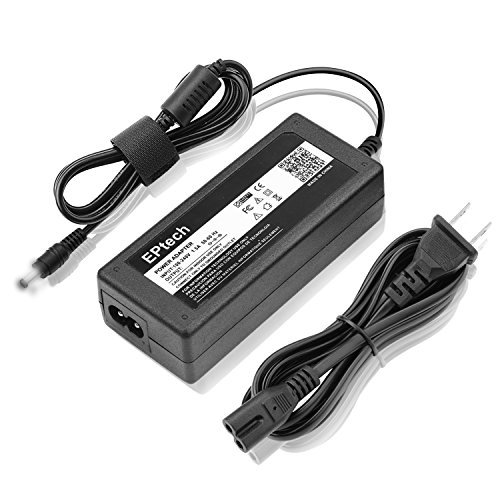
Best for Sirius XM docks and similar portable speakers that require a robust 12V supply. This adapter covers 100-240V input, enabling use around the world. It is designed as a replacement AC adapter with a long 10 ft cord, reducing the need for extension runs in rooms or vehicles. Users who value global compatibility and straightforward replacement will benefit most. Caution: confirm device model compatibility before purchase to ensure the correct connector and voltage range.
Metasources Bose SoundDock 20V Power Adapter

Best for classic Bose SoundDock systems requiring a labeled 20V DC supply. This adapter is presented as a replacement for a missing power cord and is suitable when you want a simple, dedicated power solution for older docks. Choose this if you own a Bose SoundDock or similar dock that relies on a dedicated 20V input. Limitation: verify that the connector matches your unit’s jack size before ordering.
RCBCH 20V Compatible Car/House Power Supply for Speakers

Best for modern party speakers and compact home systems needing a flexible 20V-class supply. The listing highlights compatibility with devices that accept under-20V inputs and various current requirements. It’s a practical pick when you want a single adapter to power multiple compatible units. Caution: the data specifies broad current ranges; confirm your device’s exact current draw to avoid underpowered operation.
HQRP 12V Battery Eliminator for PA Amplifiers

Best for Peavey and similar portable PA amplifiers needing a stable 12V DC supply. This UL-listed eliminator provides a safe, continuous power source for stage or studio setups. It includes automatic overload protection and a Euro plug option, useful for international venues. Limitation: designed for 12V systems; ensure your device operates at 12V for safe use.
Buying Guide: Powering Your Sound System—Key Considerations
What voltage does your device require?
Power supplies come in a range of voltages. Match the output voltage to your gear’s specification to prevent under- or over-voltage conditions that can cause distortion or damage. If your unit supports multiple voltages, choose a supply that provides the correct option with stable regulation.
Is the connector compatible?
DC barrel size and polarity matter. Ensure the plug diameter, inner positive/outer negative configuration, and pin layout match your device. Mismatched connectors can render a supply unusable or cause harm.
What about current and capacity?
Current (amperage) should meet or exceed the device’s demand. A unit that runs near its maximum rating might run hot or fail under load. When possible, pick a supply with a small headroom (additional amperage) for reliability.
Build quality and safety features
UL or CE listings, protection circuits (overload, short-circuit, over-temperature), and certified cabling increase reliability and safety in home and professional environments. Consider cord length if placement requires distance from the outlet or device.
Portability and use-case
For portable party gear or car setups, select compact, light adapters with robust connectors. For fixed home theaters or studios, a higher-quality, longer-lasting supply with surge protection can be beneficial.
Compatibility and future-proofing
Look for adapters that list your model family or share common specs with multiple devices. This approach can simplify upgrades or replacements when you diversify your sound system lineup.
FAQ
- Do I need a dedicated power supply for every speaker?
Not always. Some systems include built-in power or share a common DC supply. Check device manuals for recommended configurations. - Can I use a higher voltage supply?
No. Supplying a higher voltage than rated can damage internal components or cause malfunction. Use the exact voltage or one within the device’s supported range. - What if the connector doesn’t fit my device?
Avoid forcing connectors. Check model compatibility lists, or contact the seller for an adapter with the correct connector. - Are UL-listed adapters safer for stage use?
Yes. UL-listed products have undergone safety testing, which is beneficial for high-use environments. - Will a higher current rating hurt the device?
No. Supplying more current than required is generally safe, as the device draws what it needs. Ensure voltage matches exactly. - How do I know which adapter is best for my setup?
Identify device voltage, connector type, and maximum current draw. Compare these to the adapter specs, then consider installation flexibility and safety features.