
Best Ways to Split Your Guitar Signal Into Two Amps for Maximum Flexibility
If you’re aiming for stereo depth, wider tonal options, or independent amp chains, splitting a guitar signal into two amps is essential. This guide highlights five reliable options and explains who each is best for, plus practical buying tips. Whether you’re a live performer, home studio guitarist, or effects enthusiast, you’ll find a solution that preserves your tone and offers clean isolation between paths.
| Product | Best For | Why It Stands Out |
|---|---|---|
| Hosa YPP-111 Y Cable | Budget setups and quick signal splitting | Simple mono-to-dual split with solid signal distribution. |
| JHS Pedals Buffered Splitter | Maintaining tone in a dual-amp rig | Keeps tone clear and robust when splitting into two amps or sending to a tuner. |
| HOSONGIN 1/4″ TS Dual Splitter Cable | Compact, mobile rigs | Two outputs from a single mono cable with noise-reducing shielding. |
| Shophubio AB Switch Box | Independent amp paths and switching | Dual outputs with dedicated footswitches for instant path changes. |
| Hosrivae Buffered Splitter | Live gigs with long cables | Pristine signal preservation and robust build for stage use. |
Hosa YPP-111 Y Cable, 1/4 Inch TS to Dual 1/4 Inch TSF

Best for compact rigs or quick tonal branching. The Y cable converts a single 1/4″ TS signal to dual outputs, enabling two amps or a tuner alongside your amp without complex routing. Its simple mono-to-dual design is ideal for players who want a straightforward split without extra circuitry.
Best for: beginners or players on a budget who need a reliable, no-fricks-attached split. A potential limitation is that it’s a passive splitter, so there can be some tone interaction between paths if long cable runs are used or if gains are high.
JHS Buffered Splitter Guitar Signal Path
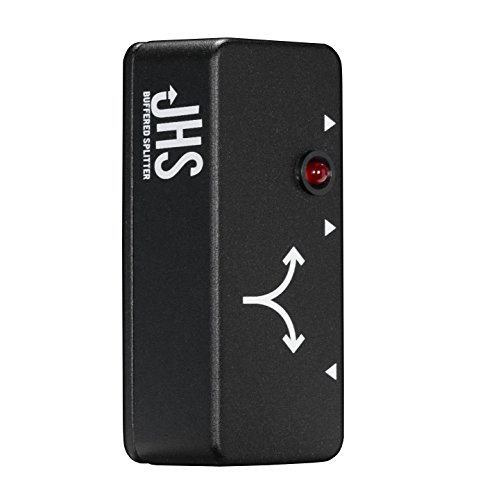
Best for preserving tone in a dual-amp setup. This JHS pedal provides buffering to maintain consistent signal quality when feeding two amplifiers or sending one path to a tuner while keeping the full tone intact through the chain. It’s well suited for players who need clean, powerful splits without tonal degradation.
Best for: players who require reliable tone preservation and want to send a clean signal to multiple destinations. Caution: as a dedicated splitter pedal, it adds a small footprint to your board and requires a power source.
HOSONGIN 1/4″ TS Male to Dual Splitter Cable

Best for portable rigs and quick setups. This 0.6-foot splitter cable provides two outputs from a single mono source, making it ideal for compact rigs where space and weight matter. It features shielding and oxygen-free copper conductors to maintain signal integrity.
Best for: players who need a compact solution from guitar to two amps or effects chains. Limitation: being a short passive cable, it may still be sensitive to long runs or high gain in both paths.
AB Switch Box Dual Amp Path
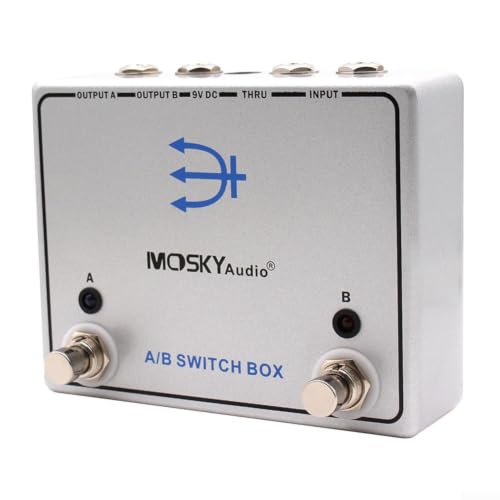
Best for independent amp routing with quick changes. This switch box provides two dedicated outputs with separate footswitches, enabling instant switching between paths. It’s a solid choice for live setups demanding fast, reliable transitions without tone loss through buffering.
Best for: players who need tight control and quick toggling between two amps. Caution: metal construction adds durability, but the pedal’s size may require a larger pedalboard footprint.
Hosrivae Buffered Splitter
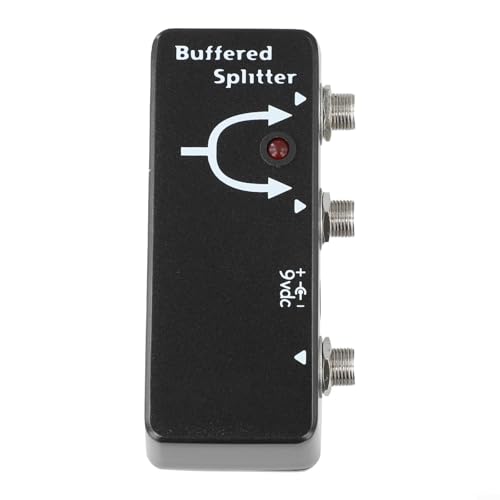
Best for stage reliability and long cable runs. The Hosrivae buffered splitter preserves your signal and reduces muddiness common with passive splitters. It supports sending equal, clean signals to dual amps and other destinations, which is advantageous for live performances where cable length varies.
Best for: performers needing consistent tone across long cables. Limitation: as a buffered device, it introduces additional gear in your rig that must be powered or battery-backed.
Buying Guide: Key Considerations For Splitting Your Guitar Signal
- Passive vs. Buffered: Passive splitters are simple and affordable but can cause tone shifts if paths interact. Buffered splitters preserve tone across multiple paths but require power or an internal buffer.
- Number of Outputs: Decide if you need two amps, a tuner, and an effects loop, or just two amp paths. Some devices offer extra routing like AB switching for live use.
- Noise and Shielding: Look for devices with shielded cables or built-in buffering to minimize hum, hiss, and interference in noisy venues.
- Latency and Tone Loss: While guitar signals are analog, any extra electronics can affect tone. Choose devices that emphasize minimal coloration and faithful transmission.
- Power Requirements: If choosing a buffered splitter, verify required power and compatibility with your pedalboard power supply.
- Durability: For live performances, a robust metal housing and reliable footswitches are essential for on-stage reliability.
- Ease of Use: If you frequently switch paths, prioritize devices with intuitive controls and quick access to both amps without re-wiring.
- Cabling Setup: Consider the length and type of cables you’ll use. Shorter runs minimize potential signal loss; longer runs may necessitate buffered solutions.
Frequently Asked Questions
- What is the difference between a passive split and a buffered splitter? A passive splitter splits the signal without power and can cause tonal changes, especially with long cables or high gain. A buffered splitter uses a buffer to maintain signal strength and tone across multiple outputs.
- Can I split a signal to more than two amps? Yes, but you’d typically use a dedicated splitter with multiple outputs or chain buffered splitters, ensuring each path remains strong and clear.
- Will a splitter affect my guitar’s impedance? Some splitters can interact with guitar impedance, particularly passive ones. Buffered solutions help minimize impedance-related tonal changes.
- Is there a risk of phase issues when splitting to two amps? Phase differences can occur if two paths are not identical. Using matched cables and proper buffer devices helps minimize phase-related tonal anomalies.
- When should I use an AB switch vs. a simple splitter? Use an AB switch when you need instant, reliable switching between two amps during performances. A splitter is best when you want simultaneous signals to two paths or a path to a tuner and amp.
- Do I need additional DI or re-amping gear? Not strictly, but for complex rigs or recording, DI boxes and re-amping options can offer additional tonal control and routing flexibility.