
Best Wireless Microphone Receiver Antenna Solutions for Clear, Reliable Audio
| Product | |||
|---|---|---|---|
| Bingfu 2-Pack UHF Antennas | 400–960 MHz | 3 dBi | Small to mid-size venues, single-receiver setups |
| Bingfu 4-Pack UHF Antennas | 400–960 MHz | 3 dBi | Multi-receiver systems, back-up stock |
| Generic Sennheiser Replacement (2-Pack) | 780–830 MHz | 3 dBi | Sennheiser EW series users needing replacements |
| JP Plus UHF TNC Antennas | VocoPro range | 3 dB gain | Flexible positioning for VocoPro receivers |
| TREADALT-TEC 4-Pack UHF Antennas | 400–960 MHz | 6 dBi | Multi-channel venues, backup or multi-system setups |
Finding a reliable wireless microphone antenna is essential for interference-free sound in live events, houses of worship, classrooms, and entertainment venues. This guide highlights five affordable options that cover typical buyer needs: single and multi-receiver environments, Sennheiser compatibility, flexible mounting, and strong, omnidirectional signal performance. Each choice is suitable for different system sizes and use cases, helping you pick the best match for your setup and environment.
Bingfu 2-Pack UHF Antenna for Wireless Microphone Receivers

Frequency range spans 400–960 MHz with a 3 dBi gain. The BNC male connectors ensure compatibility with standard wireless microphone receivers. Best for compact setups where a spare antenna is prudent and for users who require quick swaps during events. Choose this if you operate a single or a small number of receivers and want reliable, easy replacements.
Who it’s best for: small to mid-size venues, educators, and presenters who need dependable back-up antennas. Limitation: 2-pack may require extra replacements for larger multi-receiver systems.
Bingfu 4-Pack UHF Antenna Set for Wireless Receivers

This 4-pack provides broad coverage across 400–960 MHz with 3 dBi gain per antenna and a BNC male interface. The larger assortment supports multi-receiver configurations, events with multiple wireless mic channels, or replacement parts. Best for venues hosting several wireless mics simultaneously or administrators who prefer ready backups.
Who it’s best for: larger classrooms, community centers, and small concerts. Limitation: bulkier to store; ensure your receivers share the same connector type.
Generic UHF BNC Replacement Antenna (2-Pack) for Sennheiser EW Systems

Frequency: 780–830 MHz with a 3 dBi gain. Connector: BNC Male. Length about 4.5 inches. Compatible with Sennheiser wireless mic receivers such as EW100, EW300, EW500 G3 SKM100 lines. Best for owners of Sennheiser systems seeking a direct replacement that preserves original mounting and fit.
Who it’s best for: users with Sennheiser EW series receivers needing affordable replacements. Limitation: frequency band may slightly differ from newer models; verify your exact receiver’s band before purchase.
JP Plus UHF TNC Antennas for VocoPro Receivers
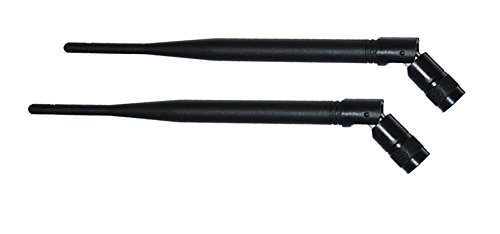
UHF half-wave design yields a total length around 8.5 inches, with flexible positioning options of 0, 45, or 90 degrees for stable reception. Gains up to 3 dB provide a measurable improvement over basic antennas. Best for VocoPro receivers needing adaptable mounting and reliable reception in varied stage layouts.
Who it’s best for: venues using VocoPro systems and those needing directional flexibility. Limitation: specific to VocoPro ecosystem; confirm compatibility with other brands before purchasing.
TREADALT-TEC 4-Pack UHF Antennas with 6 dBi Gain

This 4-pack covers 400–960 MHz with 6 dBi gain and omnidirectional reception. The set is designed for multi-receiver environments, offering reliable, 360-degree coverage to minimize dead zones. Best for big rooms, multi-channel conferences, or venues with several wireless mics operating at once.
Who it’s best for: professional events and venues needing robust performance across multiple receivers. Limitation: higher gain can potentially increase susceptibility to RF interference in extremely crowded RF spaces; plan placement accordingly.
Buying Guide: Key Considerations for Wireless Mic Antennas
What frequency range do I need? Most UHF systems use 400–960 MHz. Confirm your receiver’s exact band to ensure compatibility and avoid interference.
What connector type is required? BNC is the common standard in many systems. If your receiver uses a different connector, you’ll need a matching adapter or antenna designed for that interface.
How many receivers will I support? For single or few mics, a 2-pack may suffice. For venues with multiple channels, a 4-pack or more provides cost-effective replacements and backups.
What gain works best in my venue? Typical gains range around 3 dBi to 6 dBi. Higher gain can improve range but may also pick up more distant interference; balance antenna placement with room layout.
Should I choose omnidirectional or directional? Omnidirectional antennas are better for flexible, 360-degree coverage in cluttered RF environments. Directional options may help in controlled spaces to focus reception and reduce interference.
How important is compatibility with existing brands? Some antennas are tailored to brands like Sennheiser or VocoPro. Verify model compatibility to avoid fit or frequency issues.
Frequently Asked Questions
- Q: Are these antennas universal for all wireless mics? A: Most are compatible with common UHF receivers via BNC connectors, but always verify frequency range and connector type for your specific model.
- Q: Can I use a 3 dBi antenna in a large venue? A: Yes, but you may want higher gain or more antennas to ensure stable coverage and reduce dropouts in crowded RF spaces.
- Q: Do these include mounting hardware? A: The listed products typically include the antenna and connector, but mounting options vary; check product details for brackets or stands.
- Q: Will replacement antennas affect my warranty? A: Replacements usually do not void warranties if used within the original system’s specifications; consult your system’s policy if uncertain.
- Q: How many antennas should I buy for a multi-mic setup? A: Plan for at least one spare per active receiver, plus additional backups for large events or potential damage.
- Q: What is the difference between 2-pack and 4-pack antennas? A: A 4-pack provides more ready replacements and supports multi-receiver setups, while a 2-pack is adequate for smaller configurations.